
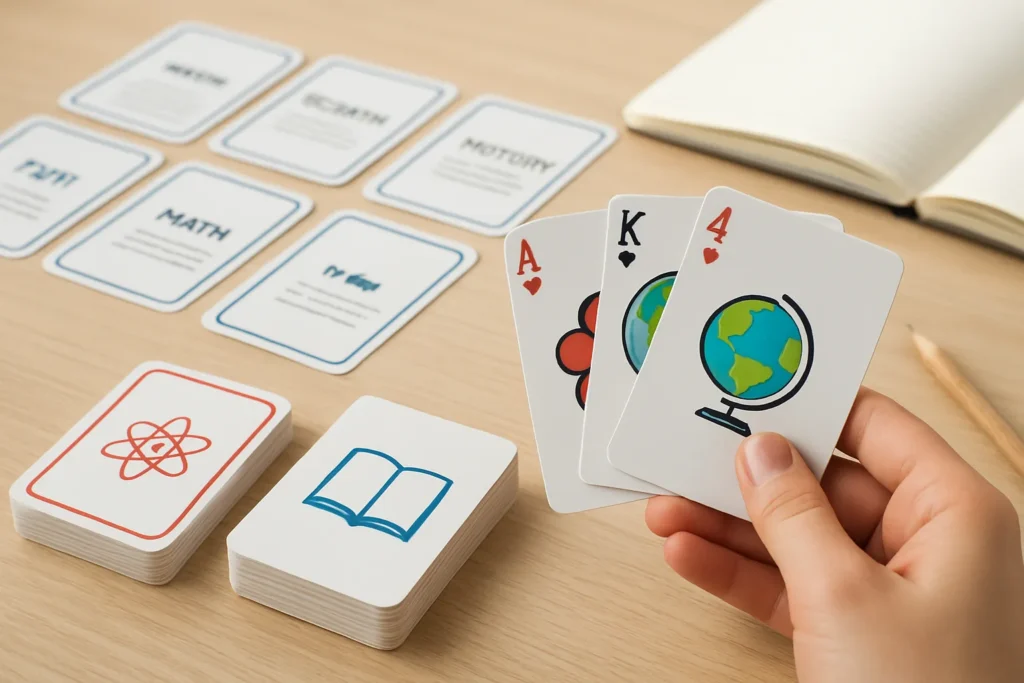
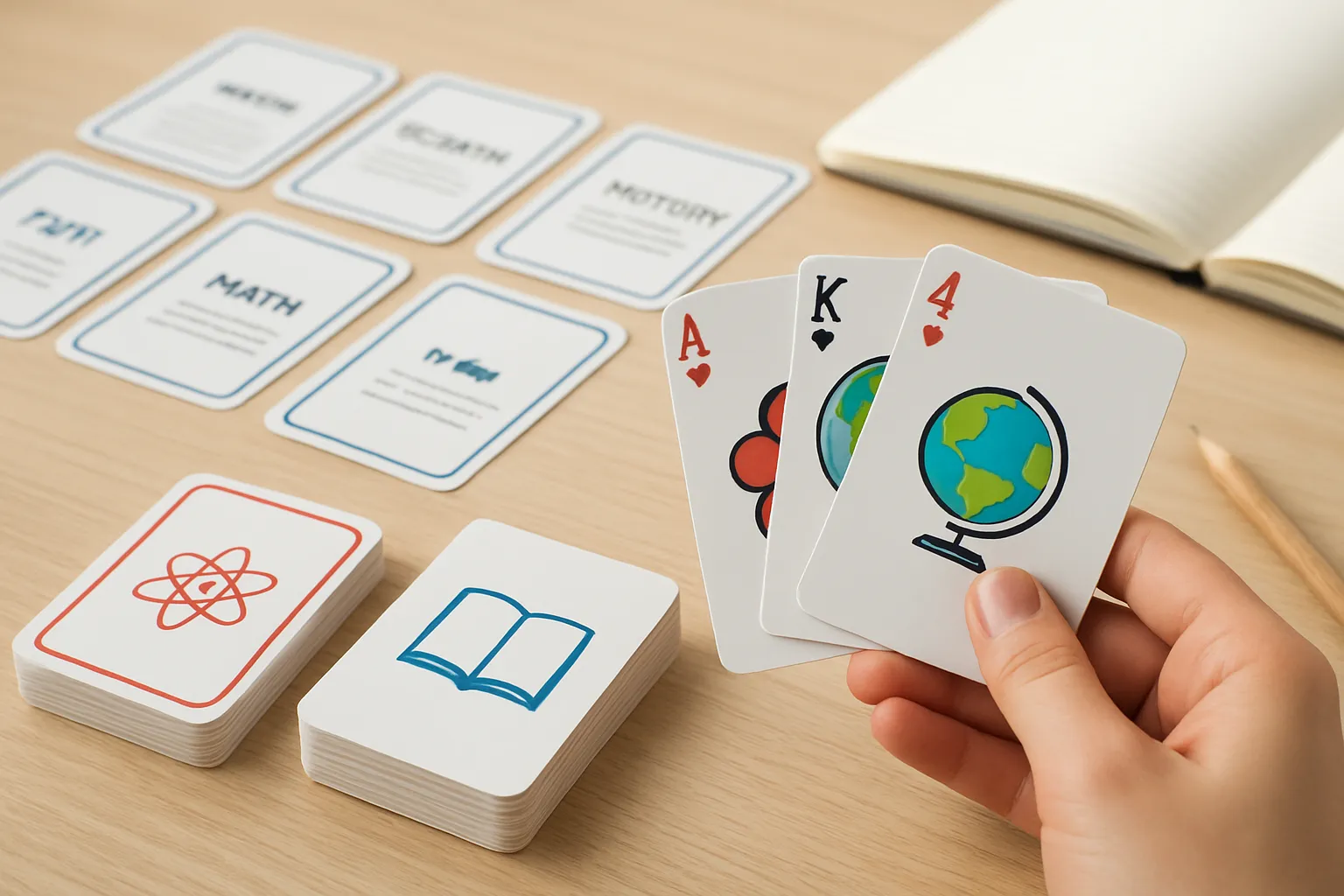
In the evolving landscape of education, engaging students through interactive and enjoyable methods is paramount. Custom playing cards have emerged as a versatile tool in educational settings, allowing educators to create tailored experiences that enhance learning outcomes. The importance of educational games cannot be overstated; they foster engagement, improve retention, and make learning enjoyable. By incorporating custom playing cards into educational offerings, institutions can provide unique and effective learning experiences that resonate with students.
Specifications of Custom Playing Cards
When considering custom playing cards for educational purposes, several specifications come into play.
- Material Options: Custom playing cards can be produced using various materials, including standard cardstock, plastic, and eco-friendly options. Each material offers different levels of durability and feel, allowing educators to choose based on their specific needs.
- Design Customization: One of the most significant advantages of custom playing cards is the ability to fully customize the design. This includes the artwork, text, and even the layout of the cards, enabling educators to align the content with their curriculum or specific educational themes.
- Size and Shape Variations: Custom playing cards can be made in various sizes and shapes, from traditional rectangular cards to unique formats that can enhance gameplay. This flexibility allows for the creation of games that can cater to different age groups and learning styles.
Use Cases for Educational Cards
Custom educational cards can be utilized in a multitude of ways within the classroom.
- Classroom Learning Tools: These cards can serve as effective learning aids, helping students memorize facts, practice vocabulary, or understand complex concepts through visually engaging formats.
- Interactive Learning Activities: Custom playing cards can facilitate interactive activities that promote collaboration and discussion among students. Games that involve teamwork can enhance social skills and encourage peer learning.
- Assessment and Review Games: Educators can design cards that focus on assessment, allowing for fun review sessions. Games like quizzes or trivia can make the assessment process less daunting for students while still reinforcing key concepts.
Comparisons with Standard Game Cards
Understanding the differences between custom and standard game cards is crucial for educational institutions considering their options.
- Benefits of Customization: Custom playing cards provide the opportunity to tailor content specifically for educational purposes, ensuring that the material is relevant and engaging for students. Standard game cards, while functional, lack this level of personalization.
- Cost Analysis: Custom vs. Standard: While custom playing cards may have a higher upfront cost compared to standard options, the long-term benefits—such as increased student engagement and better learning outcomes—can outweigh these initial expenses. Bulk game cards can further reduce costs, making them a viable option for schools.
- Quality and Durability Considerations: Custom playing cards are often made with higher quality materials, which can enhance durability. This is particularly important in an educational setting where cards may be used frequently and handled by many students.
Sourcing Custom Playing Cards
Finding the right supplier for custom playing cards is essential for successful implementation.
- Finding Reliable Suppliers: Conducting thorough research to identify reputable suppliers is critical. Look for companies that specialize in custom playing cards and have positive reviews from previous educational clients.
- Bulk Ordering Benefits: Purchasing in bulk can lead to significant cost savings. Many suppliers offer discounts for larger orders, making it more feasible for educational institutions to invest in custom cards.
- Evaluating Supplier Credentials: It’s important to evaluate supplier credentials, including their experience in producing educational materials, customer service quality, and production timelines. This ensures that you partner with a reliable source for your custom playing cards.
Implementation Strategies
Once custom playing cards are sourced, effective implementation strategies are necessary for maximizing their potential.
- Integrating Cards into Existing Curriculum: Educators should consider how to seamlessly integrate custom cards into their existing curriculum. This may involve aligning card content with lesson plans or creating specific activities that utilize the cards.
- Training Educators on Usage: Providing training sessions for educators on how to effectively use custom playing cards in their teaching can enhance the overall experience. This ensures that teachers are comfortable with the material and can facilitate engaging learning activities.
- Feedback and Iteration Process: After implementing custom playing cards, collecting feedback from both educators and students is vital. This feedback can guide future iterations, ensuring that the cards remain effective and relevant.
Frequently Asked Questions
- What are the Minimum Order Quantities? Minimum order quantities can vary by supplier, but many companies offer flexible options for educational institutions.
- How Long Does Production Take? Production times depend on the complexity of the design and the supplier’s workload. Generally, expect a timeframe of a few weeks.
- Can Designs Be Updated After Ordering? Many suppliers allow for design updates before production begins, but changes after the order is placed may incur additional costs.
In conclusion, custom playing cards represent a dynamic tool for enhancing educational game offerings. By leveraging their unique specifications and versatile applications, educators can create engaging and effective learning experiences that cater to diverse student needs. As the educational landscape continues to evolve, integrating custom cards into curricula can provide significant advantages, fostering a love for learning in students.